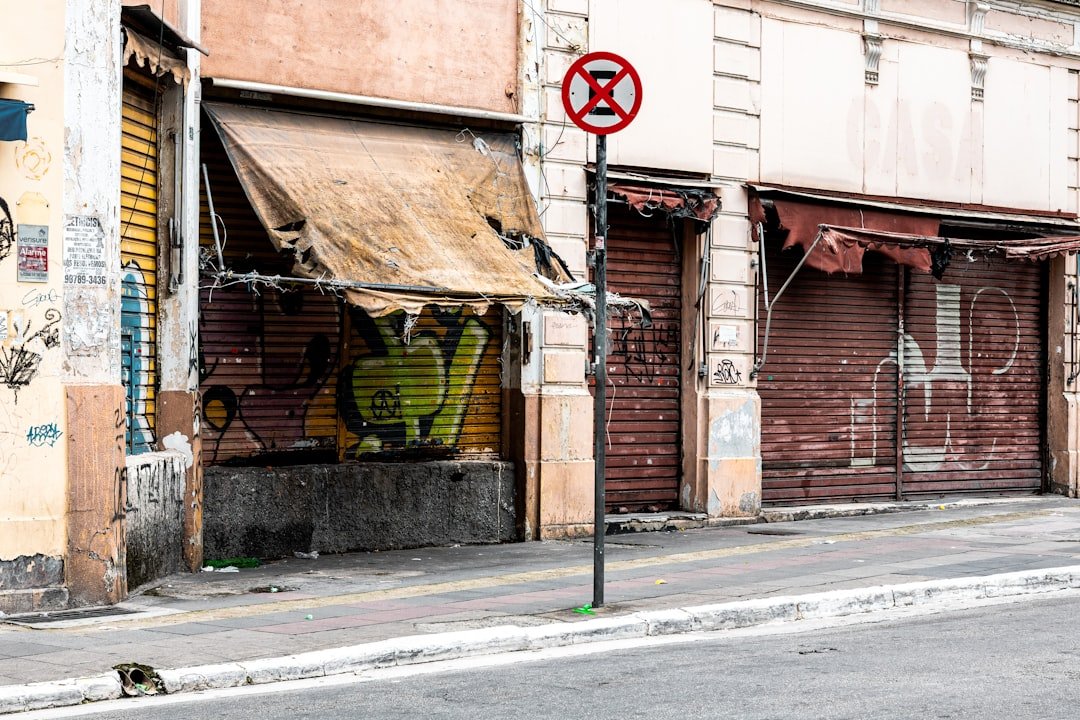
Secure Unoccupied Properties
Vacant Property Board-Up in Shoreview, MN
Temporary protection for broken windows, unsecured doors, and exposed openings at vacant homes, rentals, and commercial properties.
What Is Vacant Property Board-Up?
Vacant property board-up temporarily secures broken or vulnerable windows, doors, and other accessible openings at an unoccupied building. It can reduce weather exposure, animal entry, debris, and obvious access points while repairs, renovation, sale, management, or other plans are arranged.
We work on vacant homes, rentals, commercial spaces, and other unoccupied structures in Shoreview and nearby communities. The securing plan considers the condition of each opening and whether owners, inspectors, property managers, utility workers, or contractors still need controlled access.
Vacant Property Openings We Can Secure
Broken or Missing Windows
Unnoticed broken windows can expose an empty building to Minnesota weather and unauthorized entry. Temporary covering protects the opening until glass replacement or renovation. See window board-up.
Unsecured Doors
Worn locks, previous forced entry, weakened frames, or damaged hardware can leave a vacant building accessible. Temporary securing can reduce easy entry until the door and frame are properly repaired.
Properties Awaiting Renovation
Buildings may sit vacant while plans, contractors, materials, financing, or permits are organized. Temporary board-up can protect selected openings during that period.
Repeat Unauthorized Entry
Board-up can reduce obvious access points after repeated vandalism, but it cannot guarantee against determined entry. For forced-entry damage, see break-in and vandalism board-up.
Board-Up Is Part of Vacant Property Management
Temporary securing should be combined with ongoing inspection, maintenance, permanent repairs, appropriate locks, utilities management, and other measures relevant to the property. Board-up does not replace responsible property management or guarantee that no future entry will occur.
Vacant Property Board-Up Service Areas
We serve Shoreview and nearby communities including Mounds View, Fridley, Arden Hills, and North Oaks. View our complete service area.
Need a Vacant Property Secured?
Tell us which windows, doors, or other openings are exposed, the property location, and whether access needs to remain available for inspections or contractors. For other damage types, see our emergency board-up services.
See our FAQ for common board-up questions.
Start With an Opening Inventory
A vacant-property board-up request is easier to evaluate when the owner can identify the openings that need attention. List broken windows, damaged doors, missing panels, and any existing temporary coverings that appear affected. Describe each by location, such as the rear first-floor window or side service entrance, so the scope does not depend on an ambiguous count alone.
Do not enter an unsafe building or climb to inspect it for an estimate. Share what is already known and distinguish observations from assumptions. If another manager or contractor last inspected the property, identify that contact. The provider can then discuss whether a site assessment is needed before confirming which openings can be temporarily secured.
Decide Who Controls Access
An empty building may still need visits from owners, inspectors, utility personnel, contractors, or prospective buyers. Tell the board-up provider about those needs before agreeing to the work. The temporary plan should identify how authorized access will be coordinated and whether later visits require removal of any covering.
Choose one person to maintain the access plan. That person should know the scope, the provider’s contact information, and the permanent repair schedule. If a property changes managers during the vacancy, transfer those records. Avoid posting key locations, alarm codes, or access credentials in website messages; share necessary arrangements directly with the confirmed provider.
Different Reasons for Vacancy Need Different Planning
A home awaiting renovation
Renovation work may change which openings need covering and when contractors need entry. Explain the anticipated sequence without assuming that construction dates are guaranteed. Ask who will coordinate any temporary removal for measurements or delivery. Board-up should support the work plan while remaining distinct from the renovation contract and its permanent repair obligations.
A rental between occupants
A property can be unoccupied briefly but still need prompt repair before the next tenancy. Describe the damaged components and expected repair appointments. Covering a broken window does not restore its operation or establish that the property is ready for occupancy. Keep the temporary-work record separate from the final inspection and permanent repair documentation.
An unused commercial space
Commercial premises may have large glass areas, shared entrances, or neighboring tenants who remain in operation. Identify which parts of the building are vacant and which routes others still use. For large frontage or business entry systems, review commercial storefront securing alongside the vacancy plan.
A property with repeated damage
When earlier coverings have been disturbed, explain what changed and when it was noticed. The current opening may need reassessment rather than a simple assumption that the previous method should be repeated. For recent forced-entry damage, see vandalism board-up information and follow any relevant scene restrictions before work starts.
What a Written Vacant-Property Scope Should Clarify
- Covered openings: A location-based list of the windows, doors, or other areas included in the proposed work.
- Existing materials: Whether removing or addressing earlier temporary coverings is part of the agreement.
- Access arrangements: Who meets the provider, which areas can be approached, and how later authorized visits will be handled.
- Charges and changes: The pricing basis and how additional openings or changed conditions require approval.
- Follow-up responsibility: Who checks the property and how concerns about the covering are reported.
- Removal planning: Who takes down the boards when permanent work starts and whether that service is separately priced.
Do not rely on the phrase “secure the whole building” when the estimate actually concerns selected openings. Ask what remains outside the scope and whether other visible issues need a separate professional. A clear boundary helps the owner coordinate the remaining work without mistaking one temporary service for complete property management.
Board-Up Cost Factors for an Unoccupied Building
Pricing depends on the number and size of openings, existing damage, usable support, access, materials, labor, and scheduling. A building with many affected elevations is different from one missing ground-floor pane. Request an estimate for the actual inventory rather than treating a price for another property as a reliable guide.
Ask whether travel, assessment, debris handling associated with installation, and removal of old boards are included. If the provider needs a visit before finalizing the scope, confirm how that visit is charged. Where access or hidden conditions change the proposal, get the revision explained before approving additional work.
A useful comparison considers both the quoted amount and the responsibilities that remain with the owner. One estimate may include a return visit while another does not. One may cover all listed openings while another excludes elevated areas. Compare equivalent written scopes and ask for clarification when descriptions differ.
Inspection and Maintenance After Installation
Temporary securing does not mean the building can be ignored until renovation or sale. Assign a responsible person to monitor its condition and communicate new damage. The appropriate inspection arrangements depend on the property and the owner’s management plan. A board-up appointment does not automatically include recurring visits or a promise that future entry is impossible.
If a covering looks loose, has been disturbed, or no longer appears to protect the opening as intended, contact the provider. Describe what changed from a safe position and ask whether reassessment is needed. Do not attempt to restore an uncertain installation by adding fasteners or moving damaged materials without appropriate guidance.
Continue managing other aspects of the vacant property through the relevant professionals. Window covering does not establish that utilities, interior conditions, roof damage, locks, or other building systems have been addressed. Keep separate work orders visible to the person coordinating the property so unresolved items do not disappear behind a completed board-up invoice.
Moving From Temporary Protection to Permanent Repair
Identify the permanent repair provider as early as practical and discuss access for measurement and installation. If boards need to be removed before replacement work can proceed, decide who does that and how the opening will be handled during the transition. Do not assume the board-up provider and glass contractor have coordinated unless that has been confirmed.
When the work is complete, retain the invoices and scope descriptions with the property records. If the property is sold or transferred while temporarily secured, make sure the receiving manager understands the remaining repair and removal needs. The presence of boards should not obscure which windows or doors still require permanent attention.
Vacant-Property Questions
Can boards guarantee that nobody enters?
No. Temporary covering can reduce obvious access through the selected openings, but it does not guarantee protection against determined entry or future damage. Ask the provider about the limits of the proposed work and continue appropriate property oversight. Do not treat board-up as an alarm, guard service, or ongoing monitoring arrangement.
Must every intact window be covered?
The right scope depends on the property’s condition, management needs, and any applicable requirements. Do not assume that covering every opening is necessary or appropriate. Explain why securing is being requested and have the provider assess the selected areas. Questions about local requirements should be confirmed with the relevant authority.
Can an out-of-area owner arrange a visit?
An owner can discuss the request remotely, but the provider still needs clear authorization and workable site access. Identify a local representative if one is available and confirm how the scope will be reviewed. Remote approval does not replace an assessment where conditions cannot be determined from the initial information.
Request a Vacant-Property Estimate
Use the estimate request or Call Now with the address, opening inventory, and access contact. Confirm current availability, the business performing the work, and the written scope before scheduling. Our service-area overview lists Shoreview and the nearby communities for which inquiries are accepted.