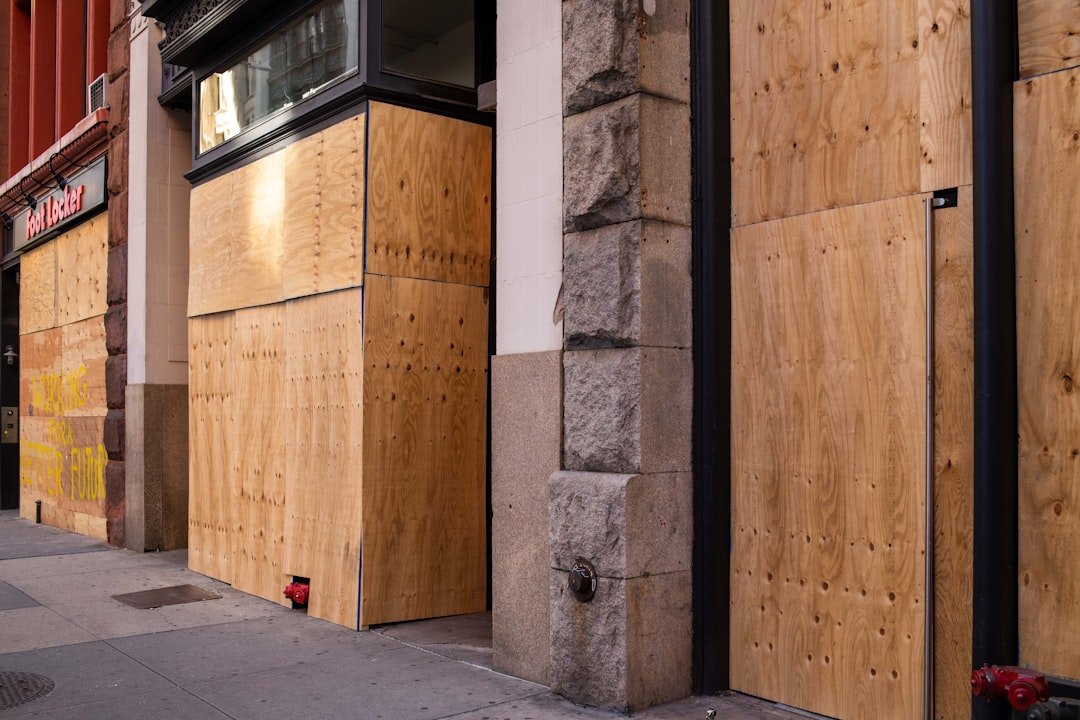
Secure Openings After Fire Damage
Fire Damage Board-Up in Shoreview, MN
Temporary securing for accessible windows, doors, and exposed openings after a fire scene has been released for safe access.
What Is Fire Damage Board-Up?
Fire damage board-up temporarily secures accessible openings left exposed after a fire and emergency response. It can reduce weather exposure and unauthorized access while insurance inspection, cleanup, restoration, glass replacement, door repair, and other permanent work are arranged.
Fire-damaged buildings can contain unstable framing, electrical hazards, wet debris, weakened floors, sharp materials, and other serious conditions. Emergency personnel and appropriate professionals should address those hazards first. Our role is limited to temporary securing once the site and openings are suitable for safe access.
Openings Commonly Secured After a Fire
Broken Windows
Heat, debris, and firefighting activity can break glazing or leave it unstable. Temporary covering can protect accessible openings until proper glass or window repair. See emergency window board-up.
Forced or Damaged Doors
Emergency entry, heat, and water can affect doors, frames, and hardware. Temporary securing can reduce access while preserving the need for adjusters, restoration crews, and contractors to enter later.
Multiple Exposed Openings
Larger incidents may leave several areas exposed. Each opening is considered individually based on size, accessibility, surrounding damage, and usable support.
Commercial Fire Openings
Businesses may have storefront glass or entry systems affected by fire or emergency response. For commercial glass systems, see storefront securing.
Board-Up Is Temporary, Not Fire Restoration
Temporary board-up does not restore structural strength, remove smoke, dry the building, repair electrical systems, remediate fire damage, or replace permanent building components. It is one protective step between the emergency event and the larger recovery process.
Fire Damage Board-Up Service Areas
We serve Shoreview and nearby communities including Mounds View, Fridley, Arden Hills, and North Oaks. View all service areas.
Request Temporary Securing After a Fire
Once the property has been released and the damaged openings are safely accessible, tell us which windows, doors, or exterior areas are exposed. For other damage types, see our main emergency board-up service.
See our FAQ for more information about temporary property securing.
When to Request Board-Up Service After a Fire
Request temporary securing after emergency personnel have addressed the incident and the relevant openings can be approached safely. Tell the responding provider that the damage is fire-related, even if you are calling about one broken window. Fire, heat, water, and emergency entry can affect surrounding components as well as the opening you can see.
The U.S. Fire Administration advises owners not to enter a damaged home until the fire department says it is safe. Its After the Fire guide also discusses securing a damaged property and keeping recovery records. Use that guidance alongside the instructions given for your specific property; a website description cannot determine whether an individual building is safe.
Keep the Board-Up Scope Separate From Restoration
A clear recovery plan distinguishes temporary protection from the work needed to restore the building. Board-up addresses selected exposed openings. It does not automatically include smoke cleaning, drying, contents handling, utility repair, structural work, or permanent glazing. Ask the responding business which services it is actually proposing and who will handle tasks outside that proposal.
This distinction helps avoid a common misunderstanding: an opening can be covered while significant recovery work remains. The written agreement should describe temporary securing in plain language and identify any exclusions. If another company is coordinating restoration, make sure it understands which openings will be covered and how authorized access will be arranged afterward.
Information That Helps With a Fire-Damage Request
- Property and contact: Give the street address, city, building type, and a phone number for the person coordinating access.
- Release and restrictions: Explain what emergency personnel have told you about entry and any areas that remain restricted.
- Exposed openings: Describe affected windows, doors, and other openings, including approximate locations and visible surrounding damage.
- People involved: Identify the owner, property manager, restoration contact, or other person who can authorize the temporary work.
- Upcoming visits: Mention planned inspections or repair appointments that may require access through an affected entrance.
- Immediate questions: Ask about availability, an assessment, the estimate process, and whether another professional must address conditions first.
You do not need to enter the property to complete this list. Share what is already known and clearly label anything uncertain. If you do not know whether an area has been released, say so. The provider should not have to discover an active restriction after arriving with an expectation that work can begin.
Assess Each Opening Individually
Windows affected by the incident
Some windows may have missing glass while others have damage to surrounding trim or frames. Explain the differences you can observe safely. The temporary plan depends on the opening and usable support, not simply the number of windows mentioned during the call. Refer to our window board-up information for the distinction between covering and replacement.
Doors used for emergency access
An entrance may need temporary securing while remaining part of the recovery access plan. Tell the provider whether adjusters, contractors, or other authorized people need to use that doorway. Ask how access will be coordinated and who is responsible for any later removal or modification. Do not assume a boarded door will function like its original entry system.
Commercial openings
A business may have large panes, shared access, and several people involved in approval. Identify the suite and damaged frontage, and clarify who represents the property owner. A commercial storefront securing plan should account for the actual opening and relevant access restrictions. Temporary covering does not establish that normal business operations can resume.
Understanding the Estimate Without Guessing a Price
Fire-related board-up pricing depends on the number and size of openings, surrounding condition, safe access, materials, labor, and timing. A universal per-window figure would leave out important differences between properties. Ask for a description of the proposed work and clarify whether the amount is a preliminary estimate or a confirmed price for an inspected scope.
Where the provider must inspect before deciding what is practical, ask what the assessment visit costs and how additional work will be authorized. Confirm whether cleanup associated with installation is included, what debris remains outside the scope, and whether return access or removal is separately charged. Keep the estimate and any approved changes together.
Coordinate the Handoff to Permanent Repairs
Before temporary work begins, identify who will coordinate the next stage. That may be the owner, a property manager, or a separately appointed restoration contractor. The important point is that someone tracks the covered openings, upcoming visits, and permanent repair decisions. Without that coordination, one provider may arrive without the access another provider expected to arrange.
Ask the permanent repair provider whether measurement or inspection requires temporary covering to be removed. Agree on responsibility for that work and how the opening will be protected during the transition. Do not remove boards yourself simply to prepare for a visit. The appropriate sequence depends on the condition and the professionals involved.
If the building will remain unoccupied during recovery, assign responsibility for checking its condition. A completed board-up does not provide ongoing monitoring. Our vacant-property page explains questions owners and managers can ask about inspections, access, and longer-term repair planning while a building is unused.
Questions About Fire-Damage Board-Up
Can the job be arranged before every repair decision is made?
Temporary securing may be discussed before permanent repair plans are complete, provided the relevant area is suitable for safe access. Confirm the proposed temporary scope and any restrictions directly. The purpose of the visit should be clear: assessment or temporary covering does not automatically authorize restoration, demolition, or other work.
Does a board-up estimate confirm insurance payment?
No. A contractor’s estimate describes proposed work and charges; it does not establish coverage or reimbursement. Ask your insurer about your particular claim and documentation requirements. Confirm your payment agreement with the service provider separately. Avoid assuming that a reference to insurance in a conversation means the bill has been approved.
Can you promise a particular arrival time?
Arrival depends on current availability, the address, damage, access restrictions, and the scope requested. Confirm the expected time with the responding provider. Submitting an online form does not reserve an appointment. If site conditions change before the visit, communicate those changes so the provider can reassess the plan.
What if new damage becomes visible later?
Report the changed condition and identify the affected opening without entering restricted areas. The original scope may no longer describe the work needed. Ask whether reassessment is required and how any additional charge will be handled. Keep the provider responsible for temporary securing informed alongside the person coordinating the broader recovery.
Arrange a Clear Next Step
When safe access has been established, call to discuss fire-damage board-up or request an estimate. Have the address, known restrictions, and list of exposed openings ready. Confirm the business performing the work, its written scope, and current availability before authorizing a visit or installation.